Primary sources only. Proven first. No conclusion copied.
By the ProjectMoosed Research Lab — from the primary record
The Scene — Dealey Plaza, Dallas
Dealey Plaza — Elm Street, the Texas School Book Depository, and the triple underpass. Diagram: ProjectMoosed Research Lab.
What the record proves, what the investigating bodies found, and what remains unproven — kept separate, on purpose.
Proven
The assassination. On Friday, November 22, 1963, President John F. Kennedy was shot and killed in Dealey Plaza, Dallas, at 12:30 p.m. CST in an open motorcade. Governor John Connally was seriously wounded. Kennedy was pronounced dead at Parkland at 1:00 p.m.
Proven
Tippit, the arrest, and Ruby. Officer J. D. Tippit was killed in Oak Cliff at about 1:15 p.m.; Oswald was arrested at the Texas Theatre at about 1:50 p.m. and charged with both murders. On November 24 at 11:21 a.m., Jack Ruby shot Oswald in police headquarters, live on television.
Documented
The Warren Commission’s conclusion — Oswald, firing from the TSBD sixth floor, assassinated Kennedy, killed Tippit, and no conspiracy was found — is carried as that body’s finding, not as this lab’s verdict.
Documented
The HSCA’s conclusion — a probable conspiracy, with Oswald firing the fatal shots — is carried the same way, together with the documented NAS dispute over its acoustic basis.
Research status — read this first
This site is built the same way as the lab’s other graded archives: the primary documents are acquired and read first-hand, tranche by tranche, and every claim is re-graded against the document itself as it is read. The archive pass is now well advanced. The Warren Commission Report has been read in full, first-hand. The HSCA report and its medical, photographic, handwriting-and-fingerprint, and Mexico City volumes have been read at the level of their findings and panels. Commission Document 385, the Lopez–Hardway staff report, and the National Academy of Sciences acoustics review have been read from the documents themselves. What those reads established is entered below as the case file of Project Moosed v. Lee Harvey Oswald — sixty exhibits admitted. Still being read: the FBI Vault files, the Dallas records, and the balance of the HSCA and Warren volumes. Portions of the underlying record remain redacted in earlier releases.
The Evidence, Entered as Exhibits
Primary Record
Documented
Exhibit A
Warren Commission Report — 1964, plus 26 volumes
The report of the President’s Commission on the Assassination of President Kennedy — its lone-gunman conclusion carried here as that body’s finding. Read in full, first-hand, in this lab’s archive pass.
Primary record1964
Documented
Exhibit B
HSCA Report — 1979
The House Select Committee on Assassinations concluded a probable conspiracy — a finding whose acoustic basis the National Academy of Sciences examined in 1982 and found recorded after the shooting.
Primary record1979
Documented
Exhibit C
NARA Records Releases — 2017–2025, incl. March 2025
The JFK Assassination Records Collection releases under the 1992 Act and the January 23, 2025 executive order — graded document by document, not by headline.
Primary record2017–2025
The Case File — Session 1
Project Moosed v. Lee Harvey Oswald
Case No. JFK-001, in the Project Moosed Court. Two counts — the murder of President Kennedy and the murder of Officer J. D. Tippit, Dallas, November 22, 1963. Oswald never got a trial; this court sits permanently, and nothing is admitted that has not been read first-hand. Sixty exhibits stand admitted — 7 for the court, 35 for the prosecution, 18 for the defense. The standard is proof beyond a reasonable doubt, and the burden never leaves the prosecution. The full register feeds the courtroom at court.projectmoosed.com.
Documented
The Warren Report, read in full. Every chapter and the operative appendices, read from the document itself — not from summaries. Its conclusions are carried as that body’s findings, and its own limits travel with it: Oswald’s twelve hours of interrogation were never recorded, and the Commission itself concluded that Dallas police statements to the press “would have presented serious obstacles to the obtaining of a fair trial.”
Documented
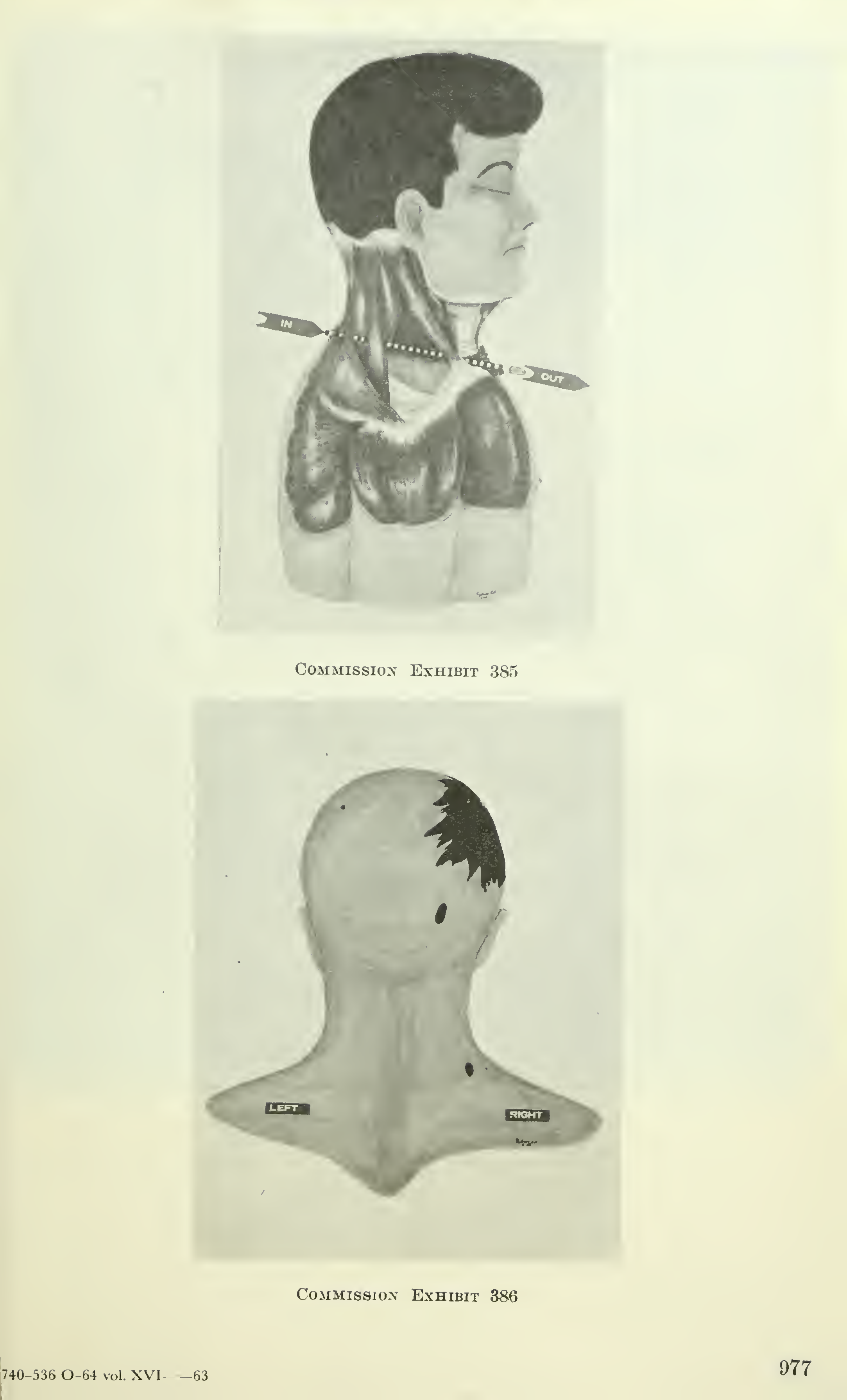
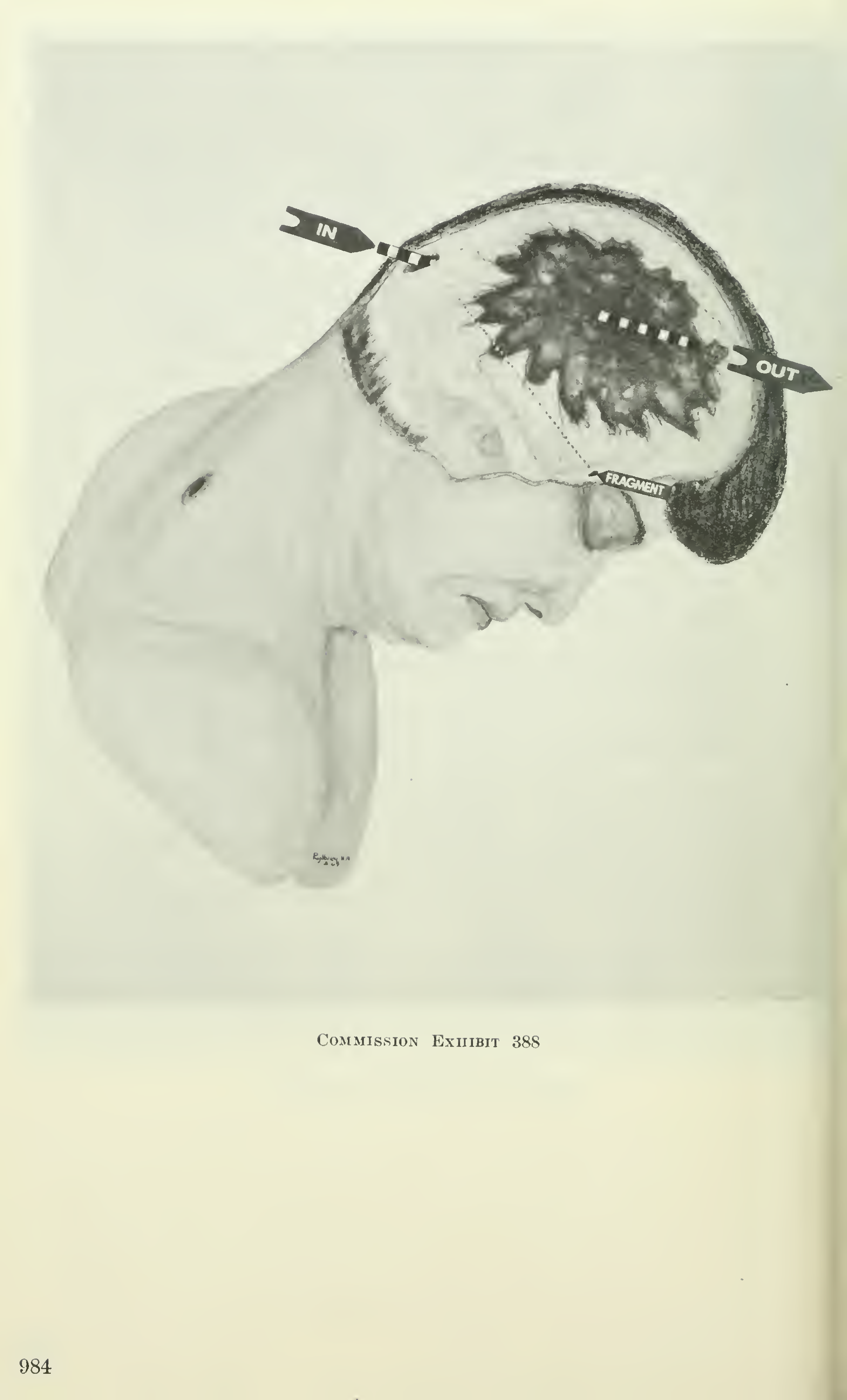
The medical records diverge. The 1964 autopsy protocol placed the President’s head entry low, beside the external occipital protuberance. The HSCA forensic pathology panel placed it some ten centimetres higher, in the cowlick — and the chief prosector conceded the panel’s location before the committee. The divergence is admitted as an open item for cross-examination. This court does not resolve it by choosing a side.
Misidentified
The Dictabelt acoustics. The impulses the HSCA matched to gunshots — the basis of its 95-percent grassy knoll claim — were recorded about a minute after the assassination, the National Academy of Sciences committee concluded in 1982: a “hold everything secure” broadcast caught in crosstalk times them after the motorcade had been sent to Parkland. The HSCA conspiracy finding stands on this page as a documented finding; its acoustic basis does not. The grassy knoll allegation itself remains unproven.
Documented
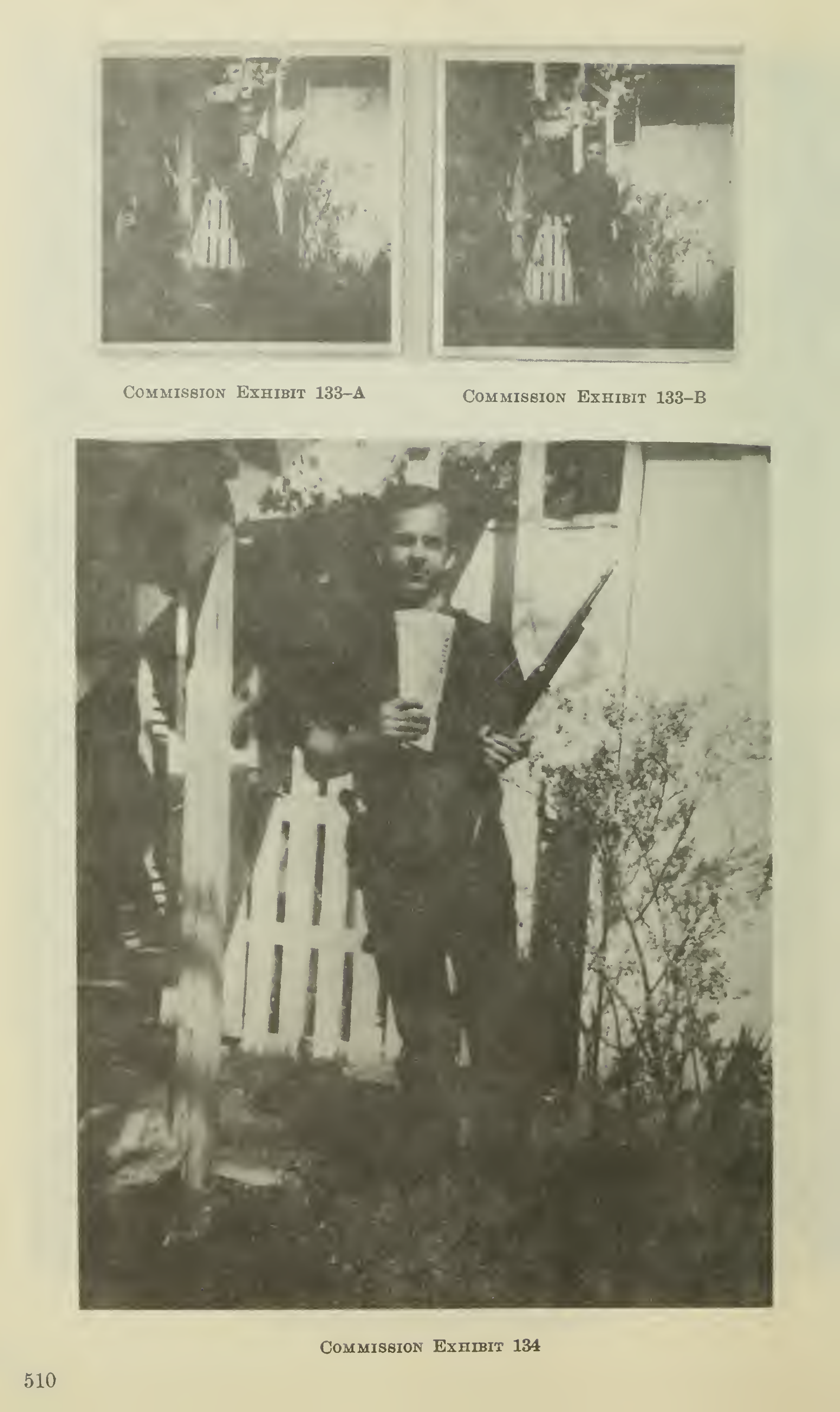
The photographs hold. The HSCA photographic panel examined the backyard photographs — including a third pose the committee recovered — by magnification, stereoscopy, and photogrammetry, and detected no evidence of fakery in any of the materials. The autopsy photographs and X-rays were likewise authenticated, with stereo pairs for each wound.
Documented
The thumbprint on the magazine. The HSCA’s 1978 fingerprint re-examination identified Oswald’s right thumb on page 37 of the June 1963 American Rifleman — the issue whose Klein’s order blank was torn from page 59. Its handwriting panel found one hand across the Klein’s money order, the order form and envelope, and Oswald’s letters. One panel member found differences pointing to another hand on the “Hunt” note; that finding is carried at his weight, not the panel’s.
Documented
The Tippit chain is closed. Commission Document 385 is pulled and read: four of the Reynolds used-car-lot group identified Oswald from a single New Orleans mugshot — no lineup — and Robert Brock could not positively identify him. That split is printed here, not smoothed. Warren Reynolds, who survived a head shot in his lot on the night of January 23, 1964, held under oath to “no proof” of any connection to the assassination. No document in the Tippit chain remains unread.
Unproven
Mexico City impersonation. A named first-hand witness stands on each side. Consul Eusebio Azcue testified the visa applicant was not Oswald — older, thinner, blond. Clerk Sylvia Duran, who processed the applicant across his visits, identified Oswald — and Azcue himself conceded he would yield to the signature on the application. The HSCA staff study’s ceiling stands as written: the possibility that someone used Oswald’s name “cannot be absolutely dismissed.” The claim stays unproven.
Documented
The Odio denial. Three men visited Silvia Odio in late September 1963; one was introduced as “Leon Oswald.” The Warren Commission’s own staff warned in writing that “Odio may well be right” — and the Report printed a flat denial anyway. The HSCA, reinvestigating, was “inclined to believe” her. Who the visitor was remains unproven; how the first inquiry handled her is documented.
Sources for this section: Warren Commission Report and Hearings, incl. Vols. VII, XI, XXI, XXV (1964); HSCA Report and Vols. III, VI, VII, VIII (1979); HSCA Staff Report, Oswald, the CIA, and Mexico City; National Research Council, Report of the Committee on Ballistic Acoustics (1982); Commission Document 385. Full citations ride with each exhibit in the register.
The Evidence Room
Downloads — The Originals
The exhibits in the case file are drawn from these documents. Every file below is this lab’s archive copy, byte-identical to the original logged in the archive under the SHA-256 shown — the full-resolution scans, not thumbnails, excerpts, or summaries. Download them and check our work. More documents are added as the archive lanes complete; the FBI Vault files and the Dallas records are next.
The Warren Record — 1964
U.S. Government Printing Office editions, via govinfo.
Warren Commission Report — 920 pp. The Commission’s final report, read in full in the archive pass. Download PDF— 81.2 MB · SHA-256 341cc3471750
Hearings and Exhibits, Vol. I — 524 pp. Download PDF— 35.1 MB · SHA-256 24b74809279e
Hearings and Exhibits, Vol. II — 536 pp. Humes, Boswell, and Finck — the autopsy testimony. Download PDF— 38.9 MB · SHA-256 2968b98771db
Hearings and Exhibits, Vol. III — 532 pp. Brennan. Download PDF— 33.0 MB · SHA-256 19981e63249c
Hearings and Exhibits, Vol. IV — 492 pp. Download PDF— 34.3 MB · SHA-256 d78f0054c238
Hearings and Exhibits, Vol. V — 640 pp. Download PDF— 47.2 MB · SHA-256 f7923e67df3d
Hearings and Exhibits, Vol. VI — 488 pp. Download PDF— 31.6 MB · SHA-256 0310d8d432e
Hearings and Exhibits, Vol. VII — 612 pp. The Markham deposition; the Tippit witnesses; the Brock and Russell affidavits. Download PDF— 37.6 MB · SHA-256 7a936c076cd8
Hearings and Exhibits, Vol. VIII — 488 pp. Download PDF— 33.1 MB · SHA-256 f836c02a3206
Hearings and Exhibits, Vol. IX — 490 pp. Download PDF— 33.0 MB · SHA-256 f8cd3c1ad120
Hearings and Exhibits, Vol. X — 444 pp. Download PDF— 29.8 MB · SHA-256 c4a63f2cd2ec
Hearings and Exhibits, Vol. XI — 500 pp. The Warren Reynolds deposition. Download PDF— 34.5 MB · SHA-256 7f29d1ebf187
Hearings and Exhibits, Vol. XII — 468 pp. Download PDF— 31.2 MB · SHA-256 763e6c2cbb51
Hearings and Exhibits, Vol. XIII — 524 pp. Download PDF— 33.8 MB · SHA-256 172b4358ca90
Hearings and Exhibits, Vol. XIV — 672 pp. Download PDF— 43.4 MB · SHA-256 83c513f25c74
Hearings and Exhibits, Vol. XV — 844 pp. Download PDF— 60.3 MB · SHA-256 76a970ac1f69
Hearings and Exhibits, Vol. XVI — 1,024 pp. Commission exhibits. Download PDF— 59.9 MB · SHA-256 15735b71cb44
Hearings and Exhibits, Vol. XVII — 936 pp. Commission exhibits. Download PDF— 49.9 MB · SHA-256 4c09ef250d51
Hearings and Exhibits, Vol. XVIII — 960 pp. Commission exhibits. Download PDF— 92.1 MB · SHA-256 a0d3237c4609
Hearings and Exhibits, Vol. XIX — 800 pp. Commission exhibits. Download PDF— 46.7 MB · SHA-256 f8cc28c60225
Hearings and Exhibits, Vol. XX — 828 pp. Commission exhibits. Download PDF— 50.6 MB · SHA-256 158809bf8776
Hearings and Exhibits, Vol. XXI — 816 pp. The Patterson exhibits; the FBI’s August 1964 accuracy-affidavit memo. Download PDF— 50.9 MB · SHA-256 1b41ecc896e4
Hearings and Exhibits, Vol. XXII — 972 pp. Commission exhibits. Download PDF— 56.9 MB · SHA-256 5a4552407a3e
Hearings and Exhibits, Vol. XXIII — 984 pp. Commission exhibits. Download PDF— 57.5 MB · SHA-256 74c837edbf5b
Hearings and Exhibits, Vol. XXIV — 940 pp. Commission exhibits. Download PDF— 51.0 MB · SHA-256 6153fc6a3b81
Hearings and Exhibits, Vol. XXV — 968 pp. Commission exhibits, incl. CE 2523, the Reynolds FD-302. Download PDF— 53.9 MB · SHA-256 7f944c08a535
Hearings and Exhibits, Vol. XXVI — 980 pp. Commission exhibits. Download PDF— 55.3 MB · SHA-256 db8b15de5cf8
The HSCA Record — 1979
U.S. Government Printing Office editions; depository scans via archive.org — govinfo hosts no HSCA package.
HSCA Final Report — 728 pp. The findings, §I. Download PDF— 54.7 MB · SHA-256 07fdb93c5e2c
HSCA Vol. I — 588 pp. Download PDF— 46.1 MB · SHA-256 f5bbaa421b97
HSCA Vol. II — 556 pp. Download PDF— 50.0 MB · SHA-256 1bcc03ca9da1
HSCA Vol. III — 772 pp. Hearings — incl. Azcue on Mexico City. Download PDF— 54.9 MB · SHA-256 9484ed631845
HSCA Vol. IV — 624 pp. Download PDF— 50.6 MB · SHA-256 a1e4353af2aa
HSCA Vol. V — 740 pp. The acoustics evidence — BBN and Weiss. Download PDF— 51.6 MB · SHA-256 e7d4706321e8
HSCA Vol. VI — 332 pp. Photographic evidence panel (exhibit P-034). Download PDF— 50.6 MB · SHA-256 0dca5b9abe83
HSCA Vol. VII — 432 pp. Forensic pathology panel (exhibits P-033, D-018). Download PDF— 77.3 MB · SHA-256 35d602bb6009
HSCA Vol. VIII — 404 pp. Handwriting, fingerprint, and polygraph panels (exhibit P-035). Download PDF— 25.3 MB · SHA-256 1ca497b521bd
HSCA Vol. IX — 1,192 pp. Download PDF— 79.9 MB · SHA-256 5ce50ada3ae8
HSCA Vol. X — 224 pp. Download PDF— 22.8 MB · SHA-256 20e3692bfaee
HSCA Vol. XI — 564 pp. Download PDF— 49.0 MB · SHA-256 5865b84c1487
HSCA Vol. XII — 804 pp. Download PDF— 45.8 MB · SHA-256 c0587c8af1c1
Panels and Case Documents
Report of the Committee on Ballistic Acoustics — National Research Council, 1982. 117 pp. The Ramsey Panel review that timed the Dictabelt impulses to about a minute after the shooting. Download PDF— 3.3 MB · SHA-256 66dfce1705d6
Oswald, the CIA, and Mexico City — HSCA staff report (Lopez–Hardway). 411 pp. Download PDF— 18.4 MB · SHA-256 9bb17fc07ee9
FBI letter to J. Lee Rankin, August 14, 1964 — 1 p. Transmits the Brock and Russell certification affidavits and bounds what each of them actually witnessed. Download PDF— 0.1 MB · SHA-256 8e584fe060a6
Commission Document 385 — the FBI Gemberling Report of February 11, 1964, 347 pp., incl. the Reynolds-lot FD-302s. Read in full for the Tippit chain; the Mary Ferrell Foundation’s PDF is member-gated, so this one is linked, not mirrored: maryferrell.org/xdoc/10786
The Item Catalog — Pulled From the Volumes
The volumes above are the source. Each item presented in them is pulled and cataloged on its own: a 300 dpi page image and a page-exact PDF, located from the volume’s own contents list and verified against the page before cataloging. First pull, November 3, 2026 — the catalog grows as the exhibits volumes are worked through.
CE 133-A and 133-B — the backyard photographs. Vol. XVI, p. 510 (the page also carries CE 134, an enlargement). Image (300 dpi) · Item PDF
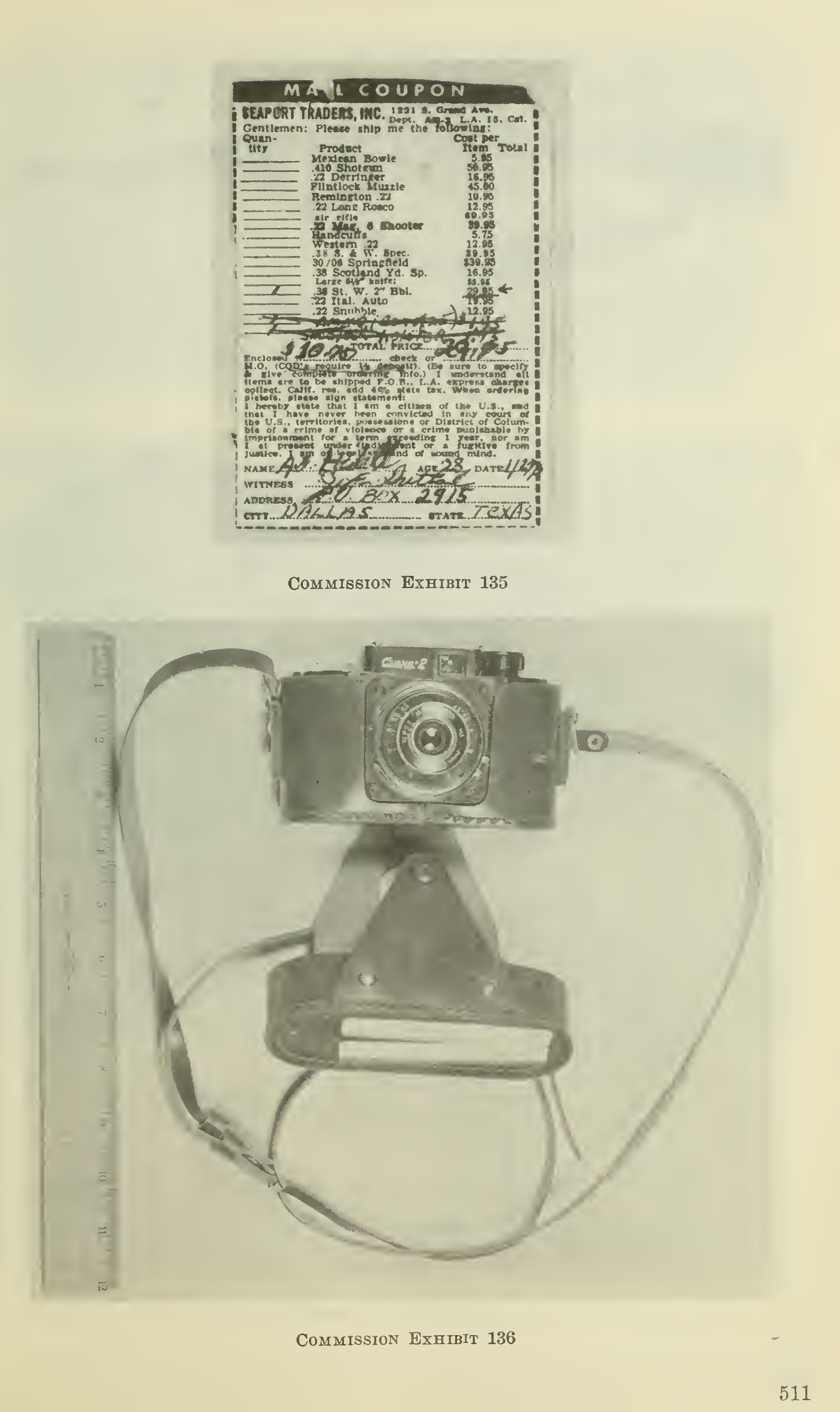
CE 135 — the revolver order coupon. Seaport Traders mail coupon signed “A. J. Hidell,” P.O. Box 2915, Dallas. Vol. XVI, p. 511 (page also carries CE 136, the camera). Image (300 dpi) · Item PDF
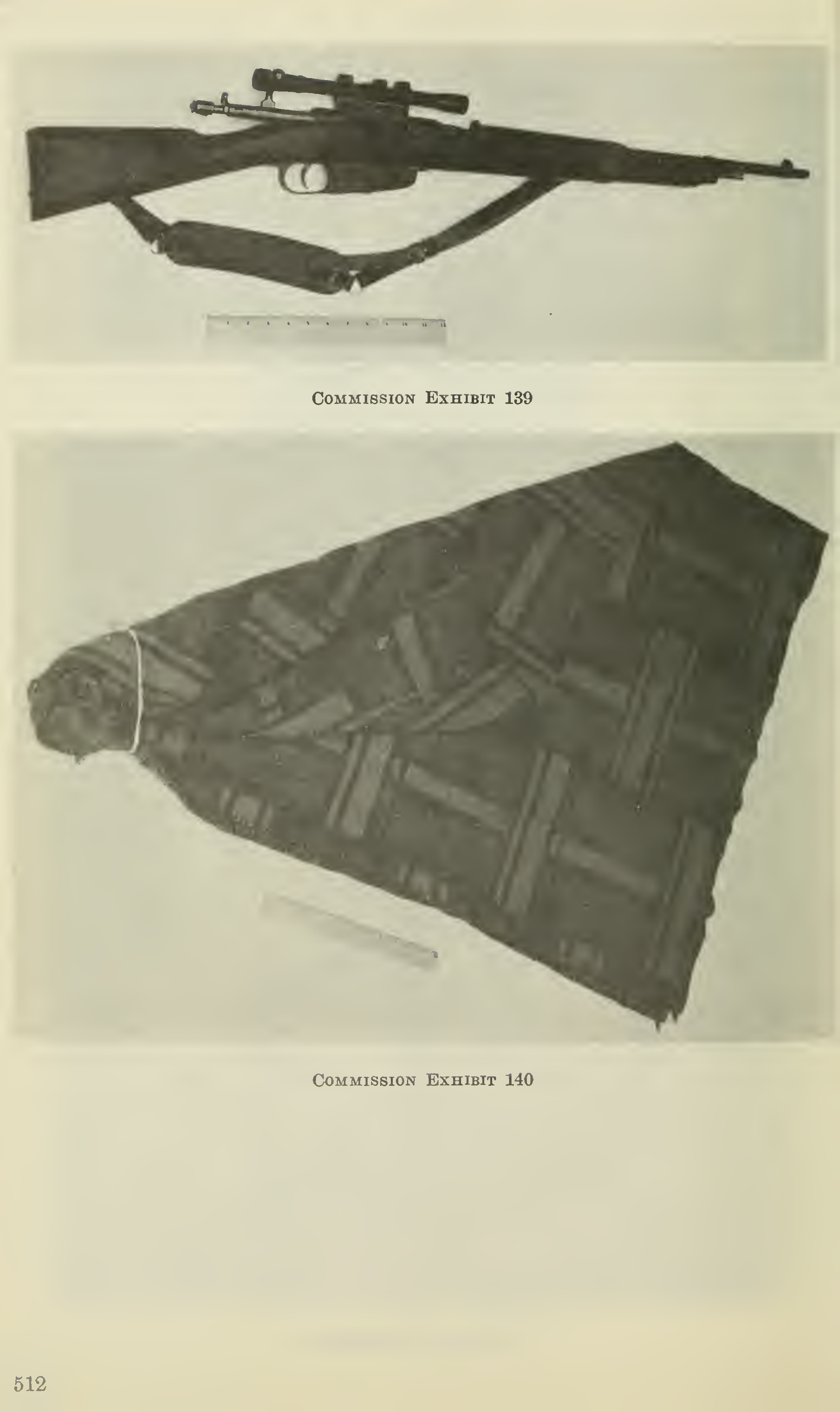
CE 139 — the C2766 rifle. Vol. XVI, p. 512 (page also carries CE 140, the blanket). Image (300 dpi) · Item PDF
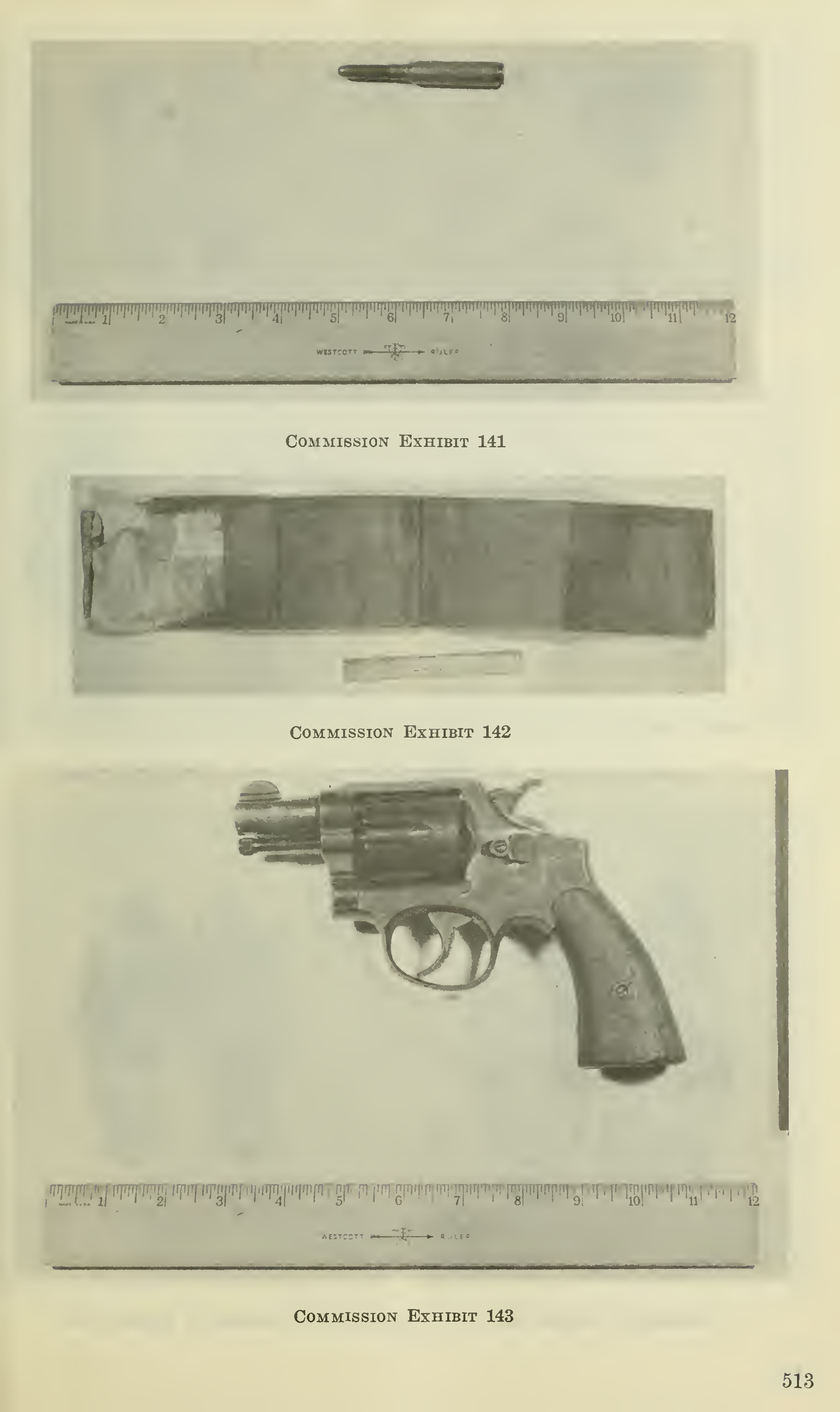
CE 141, CE 142, CE 143 — cartridge, bag, revolver. One page: the 6.5mm cartridge, the wrapping-paper bag, and the .38 Smith & Wesson revolver. Vol. XVI, p. 513. Image (300 dpi) · Item PDF
CE 385 and CE 386 — the autopsy drawings. The neck-trajectory schematic and the rear wound diagram, drawn from Dr. Humes’s verbal description. Vol. XVI, p. 977. Image (300 dpi) · Item PDF
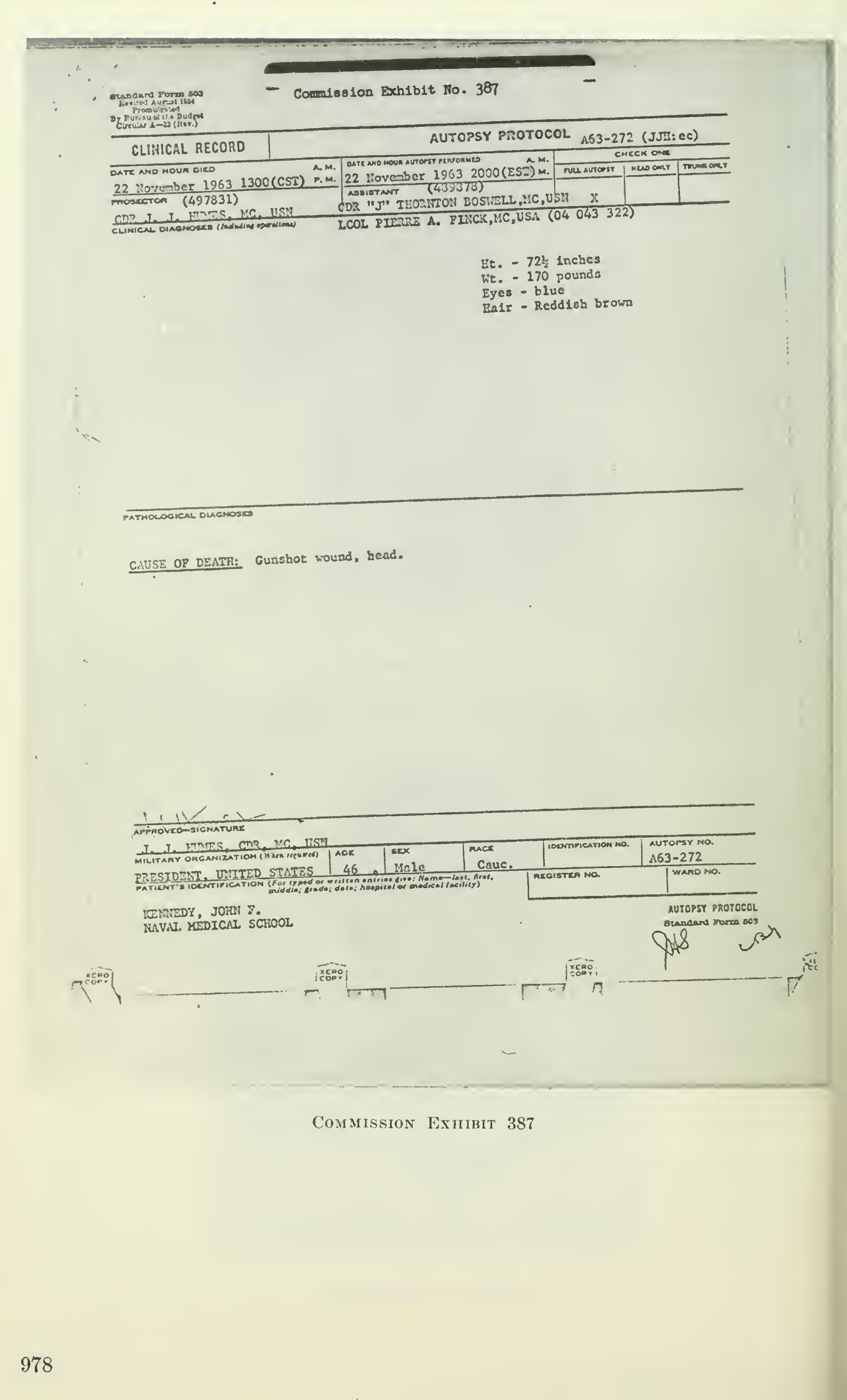
CE 387 — the autopsy protocol, A63-272. The Bethesda autopsy report, complete as printed, six pages. Vol. XVI, pp. 978–983. Item PDF · Page 1 image
CE 388 — the head wound drawing. Entry, fragment path, exit. Vol. XVI, p. 984. Image (300 dpi) · Item PDF
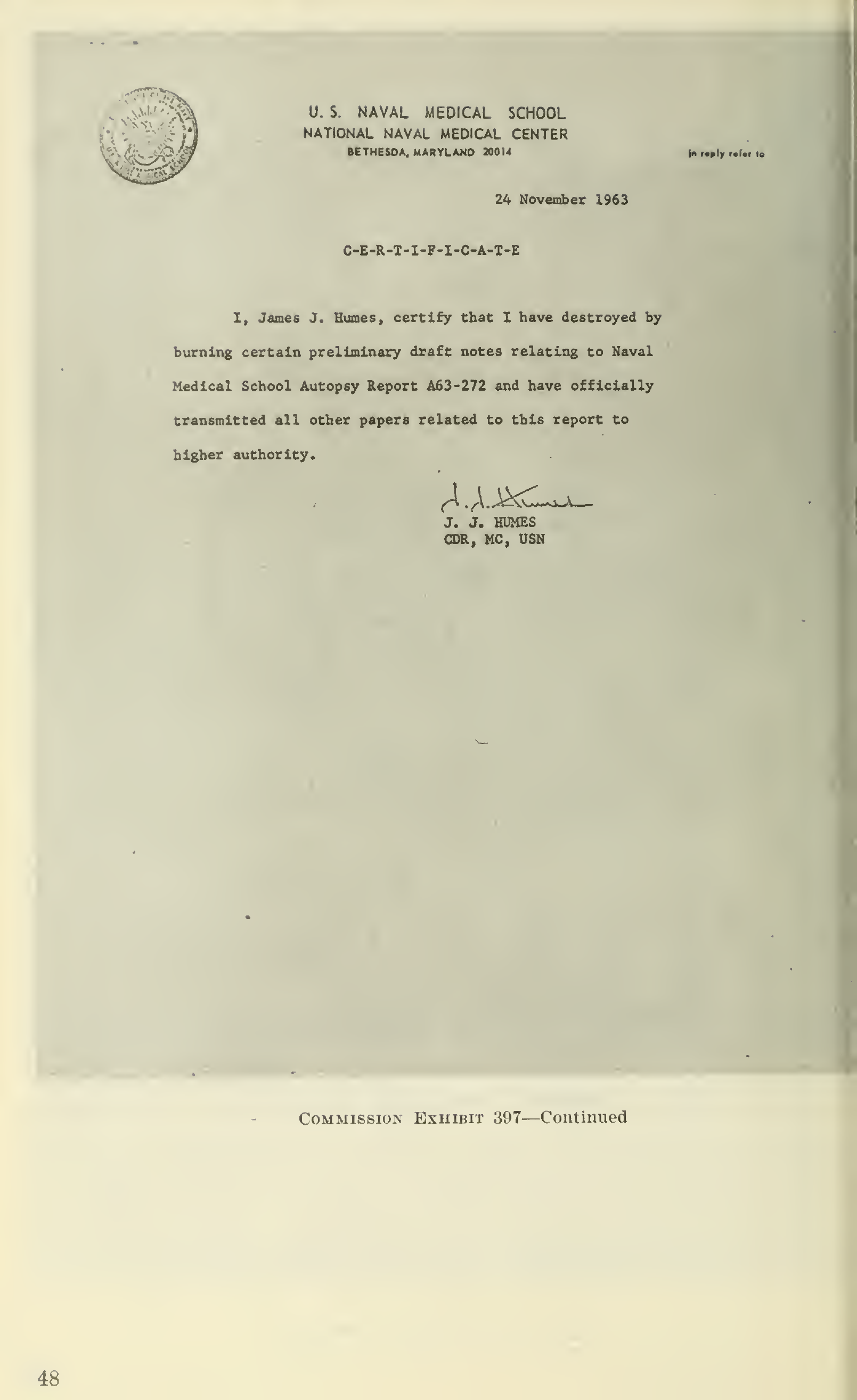
CE 397 (in part) — Dr. Humes’s certificates. November 24, 1963: custody of the autopsy working papers, and the certificate that he “destroyed by burning certain preliminary draft notes.” Vol. XVII, pp. 47–48. Item PDF · Burning certificate image
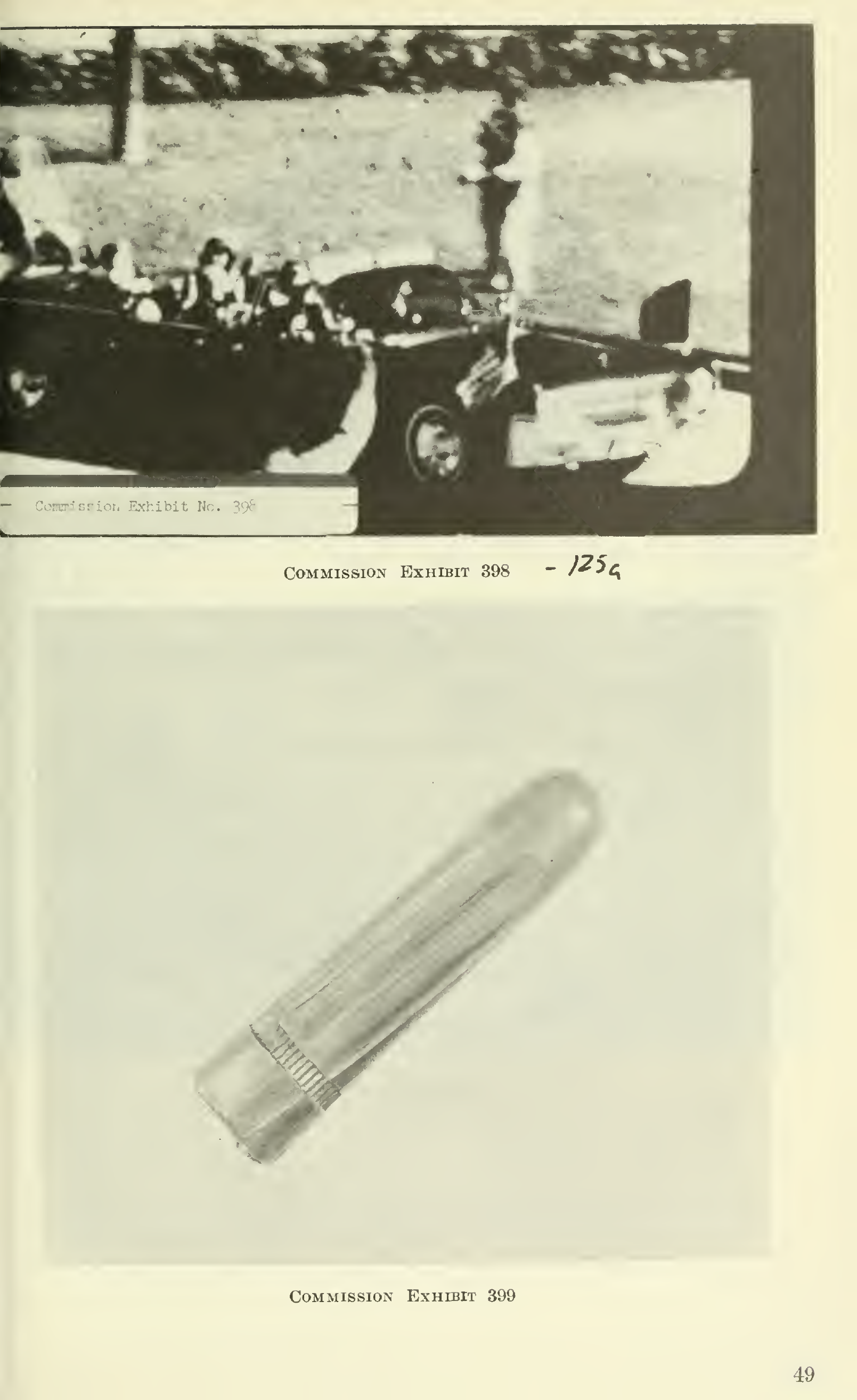
CE 398 and CE 399 — Zapruder frame; the stretcher bullet. The motorcade immediately after the first hit, and the bullet found on a stretcher at Parkland. Vol. XVII, p. 49. Image (300 dpi) · Item PDF
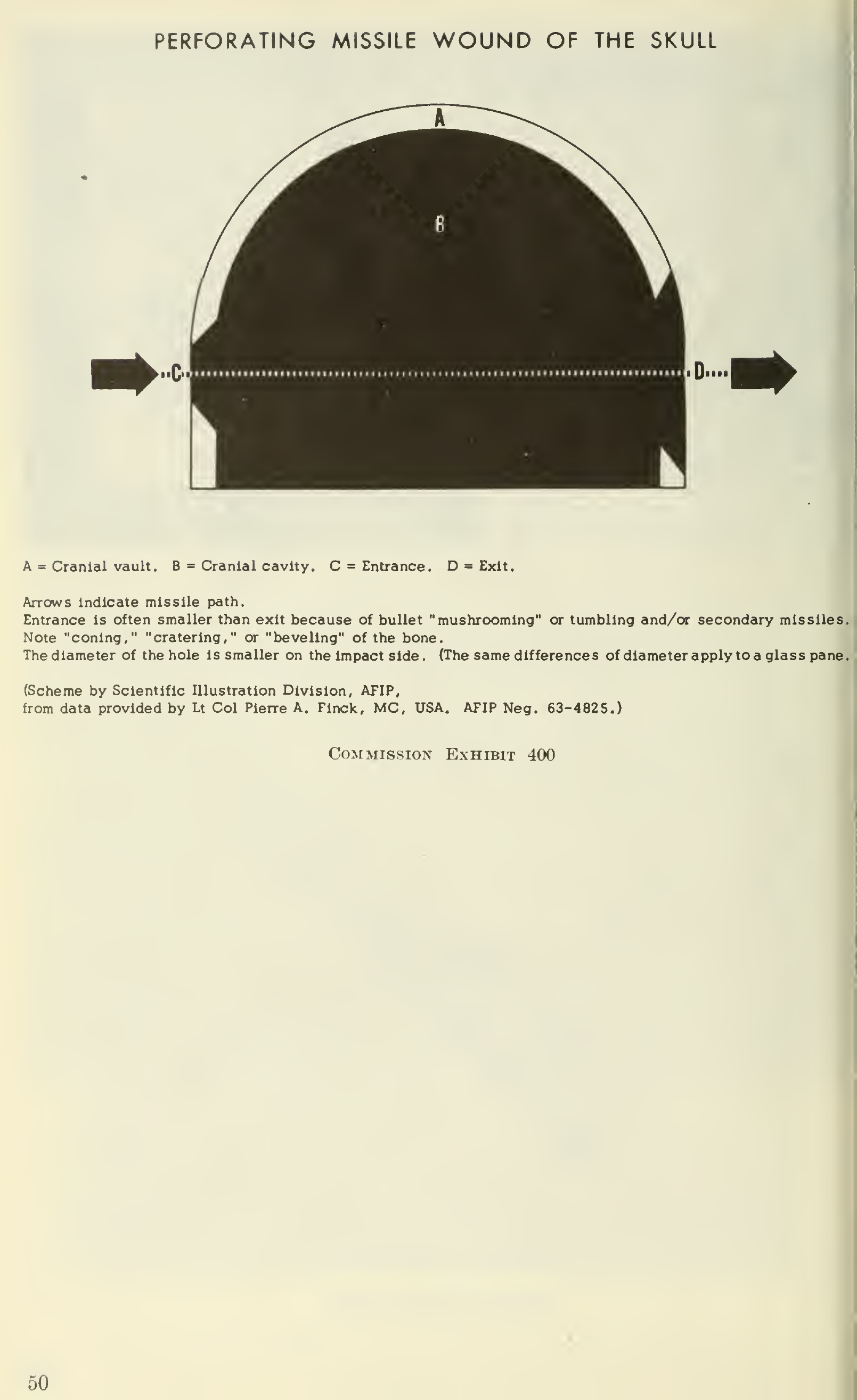
CE 400 — Finck’s skull wound chart. “Perforating Missile Wound of the Skull,” the AFIP scheme behind the beveling testimony. Vol. XVII, p. 50. Image (300 dpi) · Item PDF
Searchable Text — The Transcripts
Every document above is also published as full searchable text. The text is machine-read from the scans and spot-checked against the pages: the Warren Report and the testimony volumes (I–XV) read clean. The exhibits volumes are mixed — many document pages were photographed turned or sideways, and their text layer fails in places. A correction pass is re-reading every failed page from the page image, worst volumes first, and the corrected files replace these in place as each volume finishes; handwritten pages cannot be machine-read and are marked as such in the text. Where text and page ever disagree, the page governs.
The findings that carry the public argument — each graded against the primary record, none upgraded. The full grading, claim by claim, is in the report below.
The Official Finding — Washington
Documented
Oswald, firing alone from the TSBD, killed Kennedy — the Warren Commission’s conclusion
Graded as that body’s finding (1964). Whether the exhausted record compels that conclusion is this lab’s own question, answered from the documents — not copied from the Commission.
Source: Warren Commission Report (1964)
The Second Inquiry — Washington
Documented
“Probably assassinated as a result of a conspiracy” — the HSCA’s conclusion, on a disputed basis
The HSCA’s 1979 finding rested in material part on Dictabelt acoustics. The National Academy of Sciences Ramsey Panel (1982) concluded that evidence does not show a grassy-knoll shot. Both stand, as documented.
Source: HSCA Report (1979); NAS Ramsey Panel (1982)
The Knoll
Unproven
“A second gunman fired from the grassy knoll”
Knoll testimony is documented and conflicting. No physical record — bullet, case, weapon, or film frame showing a gunman — produced to date establishes a knoll shooter.
Source: Warren and HSCA testimony; HSCA photographic panel
The Agencies
Unproven
“An intelligence service directed Oswald”
Agency withholding about Oswald’s files and about the Castro plots is documented (Church Committee, HSCA, ARRB). Direction is not established by any primary record produced, including the 2017–2025 releases.
Source: Church Committee Book V (1976); ARRB Final Report (1998); NARA releases
Identity Resolved
MisidentifiedDocumented
The Umbrella Man — a sinister figure, resolved in the open
The man who opened an umbrella on a sunny day in Dealey Plaza identified himself to the HSCA in 1978 as Louie Steven Witt, produced the umbrella, and testified it was a protest reference to Neville Chamberlain.
Source: HSCA testimony of Louie Steven Witt (1978)
The Ruby Question
Unproven
“Ruby was ordered to silence Oswald”
Ruby’s organized-crime associations and pre-November 24 phone contacts are documented. An order, payment, or direction to kill Oswald is not established on either investigation’s record.
Source: Warren Commission; HSCA Report (1979)
The Day — November 22, 1963
Draft Report v1
All times Central Standard Time, Dallas. Sources: Warren Commission Report, HSCA Report, and Dallas records in the JFK Collection.
Proven
Dealey Plaza
The limousine passed the Texas School Book Depository on Elm Street. A rifle and spent cartridge cases were recovered on its sixth floor.
Proven
Parkland
Kennedy was treated in Trauma Room One and pronounced dead at 1:00 p.m. Connally survived surgery. The autopsy was performed that night at Bethesda — its handling is part of the contested record.
Documented
Oak Cliff
Tippit was killed after stopping a man matching Oswald’s description; Oswald was arrested at the Texas Theatre after being pointed out there.
Proven
The Zapruder Film
Abraham Zapruder’s 8mm film is a genuine contemporaneous record, examined by the HSCA photographic panel. Its frames anchor the timing disputes; they do not settle every interpretation placed on them.
Oswald
Draft Report v1
Documented
Service and defection. Marine Corps service, defection to the Soviet Union in October 1959, residence in Minsk, and return to the United States in June 1962 with Marina Oswald.
Documented
Mexico City, fall 1963. Oswald’s consulate and embassy visits are documented in released CIA and FBI records. The surveillance record has documented gaps. The visits stand as documented; direction is not proven.
Documented
New Orleans, summer 1963. Fair Play for Cuba leafleting, a radio debate, and an arrest — all in contemporaneous police, FBI, and press records.
Unproven
Oswald as agent. Associations are documented in places. No tasking, payment, handler, or agency-relationship document has been produced — including in the 2017–2025 releases.
Proven
No trial. Oswald was charged, denied the shootings in custody, and was killed two days later. No court ever tested the evidence against him — a structural fact about this record.
The Investigations
Draft Report v1
Documented
Warren Commission (1964). 888-page report plus 26 volumes. Oswald alone from the TSBD; the single-bullet conclusion; Ruby alone; no evidence of conspiracy found.
Documented
Church Committee, Book V (1976). Found the FBI and CIA assassination investigation deficient on conspiracy possibilities, without establishing a conspiracy itself.
Documented
HSCA (1979). Oswald fired the fatal shots; Kennedy was probably killed as a result of a conspiracy; no government or agency as an institution was shown to have participated. Its grassy-knoll shot rested on acoustics the NAS Ramsey Panel (1982) later rejected — a documented dispute, carried on both sides.
Documented
ARRB (1998). The Review Board did not reinvestigate the shooting. Its Final Report documents the declassification of millions of pages — and the withholding, loss, and delay in the record itself.
Documented
NARA releases (2017–2025). Bulk releases under the 1992 Act in 2017–2018, 2021, 2022, and 2023, and the March 2025 releases under the January 23, 2025 executive order. A release is an archival event; a claim is graded on its document.
The Evidence
Draft Report v1
Documented
The rifle and ballistics — the Mannlicher-Carcano, cartridge cases, bullet and fragments, and the firearms examinations — are investigative findings set out with expert testimony in the Warren and HSCA records. The archive pass reads the examinations themselves.
Documented
The single-bullet conclusion is the Warren Commission’s finding, supported and contested by later studies. Each study is graded on its own document here.
Documented
The autopsy record carries documented gaps, custody problems, and Parkland-vs-Bethesda discrepancies (Clark Panel 1968; HSCA forensic pathology panel; ARRB depositions). What they establish beyond dispute and mishandling is graded claim by claim.
Documented
The backyard photographs were concluded authentic by the HSCA photographic panel. Authentication is one documented piece among many — not, by itself, proof of the shooting.
Claims, Graded
Draft Report v1
The contested version of November 22 is part of the record too — graded, not ignored and not amplified.
Unproven
“A second gunman fired from the grassy knoll.” Testimony for a knoll shot is documented and conflicting; no physical record produced to date establishes a knoll shooter, and the acoustic evidence for one is documented as disputed.
Unproven
“A U.S. or foreign intelligence service directed the assassination.” Withholding by agencies is documented. Direction is not established for the CIA, FBI, KGB, Cuban services, or any other service on the record produced.
Unproven
“The Mafia, anti-Castro Cubans, Moscow, or Havana did it.” Motives, contacts, and the CIA–Mafia Castro plots are documented — as plots against Castro. Direction of November 22 is not established for any of them.
Misidentified
“The Umbrella Man was a signalman.” Resolved: Louie Steven Witt identified himself to the HSCA in 1978, produced the umbrella, and testified to a protest meaning. Identity and testimony documented.
Unproven
“Badge Man and the other photographic gunmen.” Documented as claims with named proponents. The HSCA photographic panel found no gunman in the images it examined.
Unproven
“The autopsy record was altered to hide a frontal shot.” Gaps and discrepancies are documented. Alteration to conceal a shooter is asserted from them; it is not established by a primary record.
Unproven
“The Zapruder film was altered.” Panel examinations treated the film as authentic. Alteration claims rest on frame readings, not on a produced processing record.
Unproven
“A policy decision caused it” — Vietnam, the CIA, the Federal Reserve, each in turn. The policy documents are documented as documents. A causal line to November 22 is asserted, not established, for every version.
The Long Tail
Draft Report v1
Documented
Declassification is still arriving. From the 2017 bulk deadline through the March 2025 releases, the file has grown in public. Any claim that the newest files prove a conclusion is graded on the specific document, in the archive pass.
Documented
Loss is part of the record. The ARRB documented destruction and loss in parts of the file. This archive logs what is missing, by agency and stated reason, instead of filling gaps with inference.
Proven
No court decided this case. Oswald was killed before trial; Ruby’s reversed conviction was never retried to a final judgment. Every conclusion here is an investigative, legislative, or archival conclusion — which is why the grading matters.
Sources
The Record
The primary sources this project is built on. In the full archive, every document carries a working link and is read first-hand before anything drawn from it is graded final.
The Warren Commission Report (September 24, 1964) and the 26 volumes of Hearings — testimony and exhibits (National Archives; govinfo).
HSCA Report and volumes (House Select Committee on Assassinations, 1979), including the photographic, forensic pathology, and acoustics volumes.
Church Committee Book V (Senate, 1976) — the FBI/CIA performance investigation — with Books II–III on the Castro plots where they intersect.
ARRB Final Report (Assassination Records Review Board, September 30, 1998) and the Board’s depositions and compliance record.
NARA JFK Assassination Records Collection — the collection and the release sets: 2017–2018, 2021, 2022, 2023, and the March 2025 releases under the January 23, 2025 executive order. archives.gov/research/jfk
FBI Vault and CIA declassified releases — Oswald, Ruby, and Mexico City files as released, each document logged individually.
Mary Ferrell Foundation — independent indexed archive of the released record; used as a finding aid, with every document verified against the NARA original before grading. maryferrell.org
Autopsy and photographic panel records — Clark Panel (1968), HSCA forensic pathology and photographic panels (1978–79), ARRB medical depositions (1990s).
Dallas records — Dallas Police Department file as reproduced in the Warren hearings; Dallas County and City holdings; Parkland records as released; Sixth Floor Museum oral histories (rights-checked).
Method
How This Lab Works
How this lab works. JFK exists to find what has not been discovered and what has not been figured out. It does not go with the status quo, and it does not take a commission report or an official statement as a verdict — those are evidence, and evidence gets examined like everything else. The research runs in every direction at once: every medium, every form, every platform, until the record is exhausted and no detail is left unscrutinized. Patterns and connections are pulled wherever they lead — including across the other labs’ records. The lab then builds its own point of view from that record — confirming, agreeing or disagreeing, adding or subtracting on its own work — and grades every claim on what the exhausted record shows.
Proven
Established by primary documents read first-hand — records, recordings, physical evidence, official files.
Documented
Supported by credible documentation or the finding of the responsible investigating body, stated as such.
Unproven
Asserted, but the evidence produced for it does not establish it — including claims the primary record contradicts without a fabrication behind them.
Misidentified
A real document, image, or event attached to the wrong person, place, or meaning.
Fabricated
Contradicted by the primary record itself — the evidence affirmatively shows it did not happen as claimed.
Order on this site is proven-first, always. No item runs ungraded. A grade is a statement about the evidence, not about the person making the claim — and every grade here can be re-opened by a better document. Grades in the Case File section rest on first-hand reads in the archive pass. Grades in the Draft Report v1 sections rest on the published primary record above and are re-graded as each underlying document is read.